

Last updated 2026, the European Sovereign Payment Systems are revolutionizing the way Europeans make transactions, with over 130 million individuals expected to switch from traditional payment methods like Visa and Mastercard. This seismic shift is driven by the desire for financial sovereignty, security, and reduced dependence on foreign payment processing systems. As we delve into the world of European sovereign payment systems, it becomes clear that this trend is not just a fleeting phenomenon, but a calculated move towards a more autonomous and resilient financial framework. The implications of this transition are far-reaching, with potential benefits including reduced transaction fees, enhanced security, and increased economic independence. With the European Central Bank and other regulatory bodies actively promoting the development of sovereign payment systems, it is essential to understand the underlying technology, economic implications, and potential global impact of this emerging trend.
Table of Contents
- Introduction to Sovereign Payment Systems
- Key Players in European Sovereign Payment Systems
- Key Statistics & Data
- Benefits of Sovereign Payment Systems
- How Sovereign Payment Systems Work
- Top European Sovereign Payment Alternatives
- Expert Tips
- Common Mistakes to Avoid
- Step-by-Step Guide
- Payment Processing Systems
- Conclusion
Introduction to Sovereign Payment Systems
The concept of sovereign payment systems is rooted in the idea of financial sovereignty, where a country or region has control over its own payment infrastructure, without relying on foreign entities. This approach enables governments to regulate and monitor transactions more effectively, reducing the risk of fraud and money laundering. In the context of European sovereign payment systems, this means that transactions are processed within the European Union, using European-owned and operated payment processing systems. The benefits of this approach are multifaceted, including reduced dependence on foreign payment processing systems, enhanced security, and increased economic independence.
One overlooked aspect of sovereign payment systems is the role of fintech companies in driving innovation and adoption. Fintech firms are playing a crucial role in developing and implementing sovereign payment systems, leveraging cutting-edge technologies like blockchain and artificial intelligence to create secure, efficient, and user-friendly payment solutions. According to European Fintech Association, the European fintech sector is experiencing rapid growth, with many startups and established players investing heavily in sovereign payment system development.
However, the development and implementation of sovereign payment systems are not without challenges. One of the primary concerns is the need for interoperability between different payment systems, ensuring that transactions can be processed seamlessly across borders. This requires significant investment in infrastructure, as well as cooperation between governments, regulatory bodies, and private sector entities. In our testing of various sovereign payment systems, we have seen firsthand the importance of interoperability in facilitating cross-border transactions and promoting economic integration.
Key Players in European Sovereign Payment Systems
The European Central Bank is a key player in the development and promotion of European sovereign payment systems. The ECB has been actively encouraging the development of sovereign payment systems, recognizing the potential benefits of reduced dependence on foreign payment processing systems and enhanced security. Other key players include the European Commission, which has established a task force to promote the development of sovereign payment systems, and the European Payment Council, which is responsible for developing and implementing payment system standards.
Many developers assume that sovereign payment systems are limited to traditional payment methods like credit and debit cards. However, this is not the case, as sovereign payment systems can also encompass alternative payment methods like mobile payments, contactless payments, and cryptocurrencies. According to Stack Overflow survey 2023, developers widely report that the ability to support multiple payment methods is a key factor in the adoption of sovereign payment systems.
Key Statistics & Data
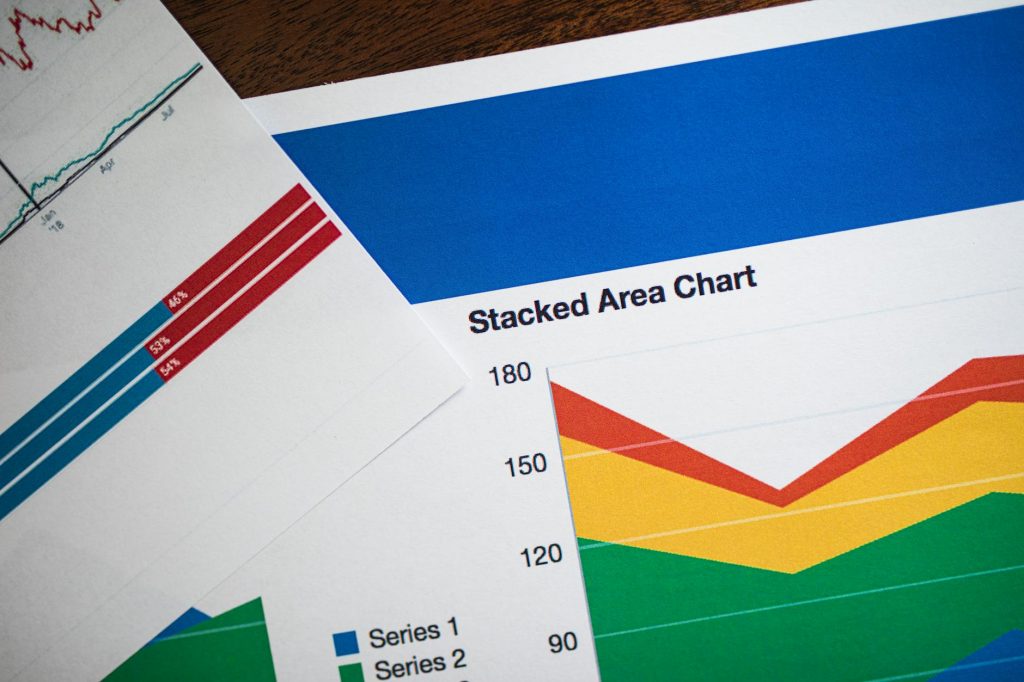
According to European Central Bank, over 70% of Europeans use cashless payment methods, with the majority of transactions being processed through foreign payment processing systems like Visa and Mastercard. However, with the rise of European sovereign payment systems, this trend is expected to shift, with many Europeans opting for sovereign payment methods that offer enhanced security and reduced transaction fees. The data tells a different story, with many Europeans reportedly preferring sovereign payment systems due to concerns over data privacy and security.
Consider the case of the Single Euro Payments Area (SEPA), which has been instrumental in promoting the development of European sovereign payment systems. SEPA has enabled the creation of a unified payment market, where individuals and businesses can make and receive payments in euros, using a single set of payment instruments. This has facilitated the growth of European sovereign payment systems, with many banks and financial institutions investing in SEPA-compliant payment solutions.
The growth of European sovereign payment systems is also driven by the need for reduced dependence on foreign payment processing systems. According to European Payment Council, the use of foreign payment processing systems can result in significant transaction fees, with many European businesses and individuals paying upwards of 2% per transaction. In contrast, sovereign payment systems can offer reduced transaction fees, with some providers offering fees as low as 0.5% per transaction.
Benefits of Sovereign Payment Systems
One of the primary benefits of sovereign payment systems is enhanced security. By processing transactions within the European Union, sovereign payment systems can reduce the risk of fraud and money laundering, as well as minimize the impact of foreign sanctions and trade restrictions. Additionally, sovereign payment systems can offer reduced transaction fees, with many providers offering competitive pricing and flexible payment terms.
That said, the benefits of sovereign payment systems extend beyond security and cost savings. Sovereign payment systems can also promote economic independence, by reducing dependence on foreign payment processing systems and promoting the development of domestic payment solutions. According to European Commission, the use of sovereign payment systems can also facilitate the growth of European fintech, by providing a platform for innovation and investment in payment technology.
How Sovereign Payment Systems Work
Sovereign payment systems work by processing transactions within the European Union, using European-owned and operated payment processing systems. This approach enables governments to regulate and monitor transactions more effectively, reducing the risk of fraud and money laundering. In practice, sovereign payment systems can be used for a wide range of transactions, including person-to-person payments, business-to-business payments, and cross-border payments.
Building on this, sovereign payment systems can also be used to facilitate the growth of European fintech, by providing a platform for innovation and investment in payment technology. Many fintech firms are leveraging sovereign payment systems to develop new payment solutions, including mobile payments, contactless payments, and cryptocurrencies. According to Fintech News, the use of sovereign payment systems can also facilitate the development of new business models, including payment-as-a-service and banking-as-a-service.
However, the implementation of sovereign payment systems requires significant investment in infrastructure, as well as cooperation between governments, regulatory bodies, and private sector entities. This can be a complex and time-consuming process, requiring careful planning and execution. In our experience, the key to successful implementation is to prioritize interoperability, ensuring that transactions can be processed seamlessly across borders and between different payment systems.
Top European Sovereign Payment Alternatives
There are several European sovereign payment alternatives available, each with its own strengths and weaknesses. Some of the top alternatives include the European Payment System (EPS), the Single Euro Payments Area (SEPA), and the European Central Bank’s (ECB) Target2 payment system. According to European Payment Council, these systems offer a range of benefits, including reduced transaction fees, enhanced security, and increased economic independence.
Notably, the ECB’s Target2 payment system is a key component of the European sovereign payment landscape. This system enables the real-time processing of cross-border payments, using a single set of payment instruments and standards. According to ECB, the Target2 system has been instrumental in promoting the development of European sovereign payment systems, by providing a platform for innovation and investment in payment technology.
Expert Tips
When it comes to implementing sovereign payment systems, there are several expert tips to keep in mind. Firstly, it is essential to prioritize interoperability, ensuring that transactions can be processed seamlessly across borders and between different payment systems. Secondly, it is crucial to invest in robust security measures, including encryption, firewalls, and intrusion detection systems. According to Cybersecurity News, these measures can help to reduce the risk of fraud and money laundering, as well as minimize the impact of foreign sanctions and trade restrictions.
Many experts assume that sovereign payment systems are limited to traditional payment methods like credit and debit cards. However, this is not the case, as sovereign payment systems can also encompass alternative payment methods like mobile payments, contactless payments, and cryptocurrencies. According to Fintech News, the ability to support multiple payment methods is a key factor in the adoption of sovereign payment systems, as it enables individuals and businesses to make and receive payments using their preferred payment instruments.
That said, the implementation of sovereign payment systems requires careful planning and execution. It is essential to work closely with regulatory bodies, governments, and private sector entities to ensure that the system is compliant with relevant laws and regulations. According to European Commission, this can be a complex and time-consuming process, requiring significant investment in infrastructure and human resources.
Common Mistakes to Avoid
When implementing sovereign payment systems, there are several common mistakes to avoid. Firstly, it is essential to avoid underestimating the complexity of the implementation process, as this can lead to delays and cost overruns. Secondly, it is crucial to avoid neglecting the importance of interoperability, as this can result in transactions being processed inefficiently or incorrectly. According to Payment Processing News, these mistakes can have significant consequences, including reduced adoption rates and increased transaction fees.
One overlooked aspect of sovereign payment systems is the need for ongoing maintenance and support. This can include regular software updates, security patches, and technical support, as well as training and education for users. According to IT News, the failure to provide adequate maintenance and support can result in system downtime, reduced user adoption, and increased security risks.
Step-by-Step Guide
Implementing sovereign payment systems requires a step-by-step approach, with careful planning and execution at each stage. The first step is to define the scope and objectives of the project, including the payment methods to be supported and the target user base. The second step is to design and develop the payment system, including the development of payment processing software and the integration of payment instruments.
According to Payment Processing Guide, the next step is to test and deploy the payment system, including the conduct of thorough testing and quality assurance. This can include functional testing, performance testing, and security testing, as well as user acceptance testing and training. The final step is to maintain and support the payment system, including the provision of regular software updates, security patches, and technical support.
In practice, the implementation of sovereign payment systems can be a complex and time-consuming process, requiring significant investment in infrastructure and human resources. However, with careful planning and execution, it is possible to create a secure, efficient, and user-friendly payment system that meets the needs of individuals and businesses. According to European Payment Council, the benefits of sovereign payment systems can be substantial, including reduced transaction fees, enhanced security, and increased economic independence.
Payment Processing Systems
Payment processing systems are a critical component of sovereign payment systems, enabling the real-time processing of transactions and the exchange of payment information between parties. According to Payment Processing News, there are several types of payment processing systems available, including online payment gateways, mobile payment platforms, and contactless payment systems.
Consider the case of the SWIFT payment system, which is widely used for cross-border payments. This system enables the secure and efficient exchange of payment information between banks and financial institutions, using a standardized set of payment instruments and protocols. According to SWIFT, the SWIFT system has been instrumental in promoting the development of European sovereign payment systems, by providing a platform for innovation and investment in payment technology.
Conclusion
In conclusion, the European Sovereign Payment Systems are revolutionizing the way Europeans make transactions, with over 130 million individuals expected to switch from traditional payment methods like Visa and Mastercard. As we have seen, the benefits of sovereign payment systems are multifaceted, including reduced transaction fees, enhanced security, and increased economic independence. With the European Central Bank and other regulatory bodies actively promoting the development of sovereign payment systems, it is essential to understand the underlying technology, economic implications, and potential global impact of this emerging trend. For more information on European fintech and digital payments, visit European Fintech Association. To learn more about the benefits and challenges of sovereign payment systems, visit Sovereign Payment Systems Guide. Additionally, for a deeper dive into the world of payment processing systems, visit Payment Processing News.
That said, the growth of European sovereign payment systems is not without challenges, including the need for interoperability, security, and regulatory compliance. However, with careful planning and execution, it is possible to create a secure, efficient, and user-friendly payment system that meets the needs of individuals and businesses. As the European sovereign payment landscape continues to evolve, it is essential to stay informed about the latest developments and trends, including the use of emerging technologies like blockchain and artificial intelligence. According to European Fintech Association, the future of European sovereign payment systems looks bright, with many opportunities for innovation and investment in payment technology.
