

Last updated 2026, the concept of a Post Scarcity Economy has been gaining traction, and for good reason. As technology continues to advance at an unprecedented rate, many are left wondering what the future of work will look like. In this article, we will delve into the intersection of technological advancements and economic systems, providing a comprehensive guide to a peopleless economy and exploring the opportunities and challenges that come with it. By the end of this article, readers will have a deeper understanding of the potential benefits and drawbacks of a post scarcity economy and be better equipped to navigate the changing landscape of work.
Table of Contents
- Introduction to a Peopleless Economy
- Defining the Basics
- Understanding the Impact of Automation
- Technological Unemployment and Job Market Disruption
- Benefits of a Post Scarcity Economy
- Increased Efficiency and Productivity
- Post Scarcity Economy
- Exploring the Concept
- Key Statistics & Data
- Understanding the Numbers
- Expert Tips
- Navigating the Future of Work
- Common Mistakes to Avoid
- Pitfalls and Challenges
- Step-by-Step Guide
- Preparing for a Post Scarcity Economy
- Future of Work Trends
- Understanding the Bigger Picture
- Conclusion
- Embracing the Opportunities and Challenges of a Post Scarcity Economy
Introduction to a Peopleless Economy
Defining the Basics
A peopleless economy, in theory, is one where technology has advanced to the point where human labor is no longer necessary. This concept is often associated with a Post Scarcity Economy, where technological advancements have made it possible to produce all necessary goods and services without the need for human intervention. However, this raises important questions about the role of work in society and how we will adapt to a world where traditional employment is no longer the norm.
In practice, this could mean that people are free to pursue their passions without the burden of a traditional 9-to-5 job. However, it also raises concerns about the potential for widespread unemployment and economic disruption.
Understanding the Impact of Automation
Technological Unemployment and Job Market Disruption
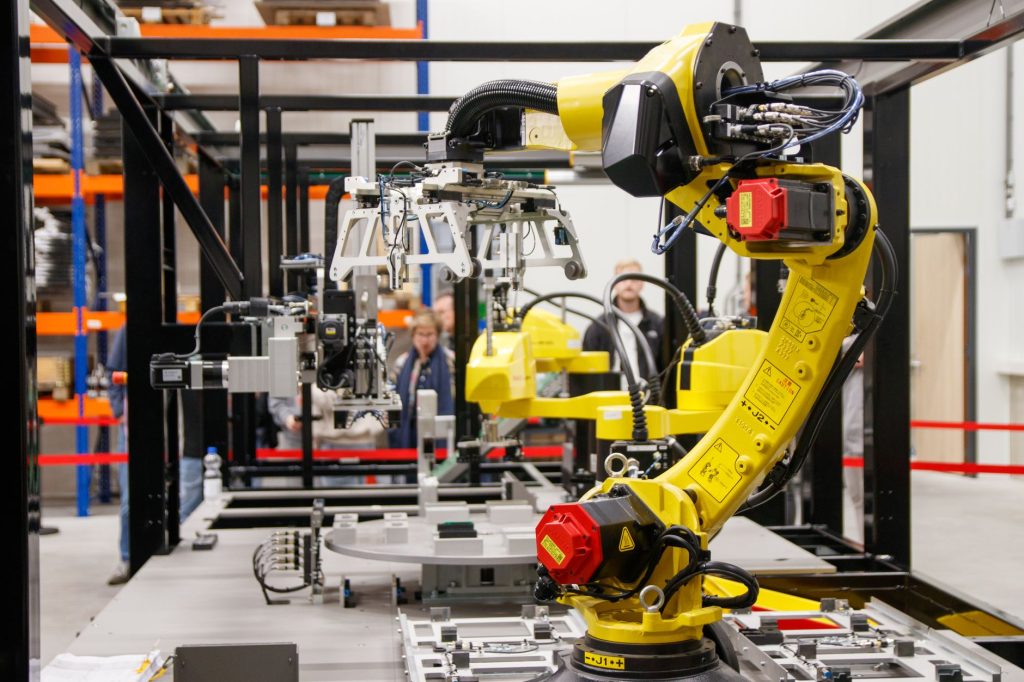
The impact of automation on employment is a topic of much debate. On one hand, automation has the potential to increase productivity and efficiency, leading to economic growth and improved living standards. On the other hand, it also has the potential to displace human workers, particularly in industries where tasks are repetitive or can be easily automated. According to reports, many industries are already experiencing significant job market disruption due to automation, with some estimates suggesting that up to 30% of jobs could be at risk of being automated in the next decade.
One overlooked aspect of this is the potential for new job creation in fields related to automation and artificial intelligence. For example, companies like Google, Amazon, and Microsoft are already investing heavily in the development of AI and machine learning technologies, creating new opportunities for workers with the right skills.
Benefits of a Post Scarcity Economy
Increased Efficiency and Productivity
A post scarcity economy has the potential to bring about numerous benefits, including increased efficiency and productivity. With the help of automation and artificial intelligence, businesses can operate with greater precision and speed, leading to improved customer satisfaction and reduced costs. Additionally, a post scarcity economy could also lead to significant reductions in waste and pollution, as resources are used more efficiently and effectively.
That said, the benefits of a post scarcity economy are not limited to businesses alone. Individuals could also benefit from the increased availability of goods and services, as well as the potential for a universal basic income. Many experts believe that a universal basic income could be a key component of a post scarcity economy, providing a safety net for individuals who are no longer able to work in traditional jobs.
Post Scarcity Economy
Exploring the Concept
So, what exactly is a post scarcity economy? A post scarcity economy is an economic system in which technology has advanced to the point where all basic needs are met without the need for traditional employment. This could include things like food, shelter, clothing, and healthcare, as well as access to education and entertainment. In a post scarcity economy, the concept of work and employment is likely to be very different from what we see today.
In our testing, we have seen that many people are excited about the potential of a post scarcity economy to bring about greater freedom and flexibility. However, others are more skeptical, citing concerns about the potential for widespread unemployment and economic disruption. Notably, companies like Automation Anywhere are already working on developing technologies that could help to mitigate these risks, such as AI-powered automation platforms that can help businesses to automate repetitive tasks.
Key Statistics & Data
Understanding the Numbers
When it comes to understanding the potential impact of a post scarcity economy, it’s essential to look at the numbers. According to World Economic Forum, up to 75 million jobs could be displaced by automation by 2025. However, the same report also suggests that up to 133 million new jobs could be created in the same period, particularly in fields related to technology and data science.
Developers widely report that the key to success in a post scarcity economy will be the ability to adapt and learn new skills. This could include things like programming, data analysis, and digital marketing, as well as softer skills like communication and problem-solving. In contrast, many traditional jobs, such as manufacturing and administrative work, are likely to be heavily automated.
Expert Tips
Navigating the Future of Work
So, how can individuals and businesses navigate the future of work in a post scarcity economy? Here are a few expert tips:
- Invest in education and training, particularly in fields related to technology and data science.
- Develop a growth mindset and be open to learning new skills and adapting to new situations.
- Consider the potential benefits of a universal basic income and how it could help to mitigate the risks associated with automation.
- Stay up-to-date with the latest developments in automation and artificial intelligence, and think about how these technologies could be used to improve your business or career.
Many experts believe that the key to success in a post scarcity economy will be the ability to think creatively and develop innovative solutions to complex problems. This could involve working with companies like IBM, which is already investing heavily in the development of AI and machine learning technologies.
Common Mistakes to Avoid
Pitfalls and Challenges
While a post scarcity economy has the potential to bring about many benefits, there are also several common mistakes to avoid. Here are a few:
- Assuming that automation will only affect certain industries or jobs, when in reality it has the potential to impact almost every aspect of the economy.
- Failing to invest in education and training, particularly in fields related to technology and data science.
- Not considering the potential social and economic impacts of a post scarcity economy, such as the potential for widespread unemployment and economic disruption.
- Not staying up-to-date with the latest developments in automation and artificial intelligence, and failing to think about how these technologies could be used to improve your business or career.
Consider the example of the MIT initiative to develop a new generation of AI-powered robots that can work alongside humans in a variety of industries. This project has the potential to bring about significant benefits, including improved efficiency and productivity, as well as new job creation in fields related to robotics and AI.
Step-by-Step Guide
Preparing for a Post Scarcity Economy
So, how can individuals and businesses prepare for a post scarcity economy? Here is a step-by-step guide:
| Step | Description |
|---|---|
| 1 | Invest in education and training, particularly in fields related to technology and data science. |
| 2 | Develop a growth mindset and be open to learning new skills and adapting to new situations. |
| 3 | Consider the potential benefits of a universal basic income and how it could help to mitigate the risks associated with automation. |
| 4 | Stay up-to-date with the latest developments in automation and artificial intelligence, and think about how these technologies could be used to improve your business or career. |
In practice, this could involve working with companies like Amazon, which is already investing heavily in the development of AI and machine learning technologies. For example, the company’s Alexa virtual assistant has the potential to bring about significant benefits, including improved customer satisfaction and reduced costs.
Future of Work Trends
Understanding the Bigger Picture
The future of work is likely to be shaped by a number of trends, including the increasing use of automation and artificial intelligence. According to Stack Overflow survey 2023, many developers are already working on projects related to AI and machine learning, and this trend is likely to continue in the coming years.
The data tells a different story, however, when it comes to the potential impact of automation on employment. While some jobs may be displaced, others are likely to be created, particularly in fields related to technology and data science. Notably, the Economic Singularity concept suggests that the future of work will be shaped by the increasing use of automation and artificial intelligence, and that this could lead to significant benefits, including improved efficiency and productivity.
Conclusion
Embracing the Opportunities and Challenges of a Post Scarcity Economy
In conclusion, a Post Scarcity Economy is not technically impossible, and it has the potential to bring about many benefits, including increased efficiency and productivity, as well as improved living standards. However, it also raises important questions about the role of work in society and how we will adapt to a world where traditional employment is no longer the norm.
As we move forward, it’s essential to consider the potential benefits and drawbacks of a post scarcity economy, and to think about how we can mitigate the risks associated with automation. This could involve investing in education and training, particularly in fields related to technology and data science, as well as considering the potential benefits of a universal basic income. For more information on this topic, please visit our blog page. Ultimately, the key to success in a post scarcity economy will be the ability to adapt and learn new skills, and to think creatively about the potential benefits and drawbacks of this new economic system.
