

What is Social Media Age Verification?
Social Media Age Verification is a process used to confirm users’ ages on social media platforms to restrict access to age-sensitive content.
Table of Contents
Last updated 2026, the debate surrounding Social Media Age Verification has sparked intense discussions about the future of the internet. As we delve into the world of online age verification, it becomes apparent that this technology has the potential to significantly impact the way we interact with social media platforms. With the rise of concerns about online child protection and social media safety, many are left wondering if age verification is the answer to creating a safer online environment. In this article, we will explore the human impact of social media age verification on vulnerable groups, such as minors and the elderly, and examine the potential implications on online freedom. By the end of this article, readers will have a deeper understanding of the benefits and drawbacks of age verification and how it may shape the future of social media.
Introduction to Age Verification
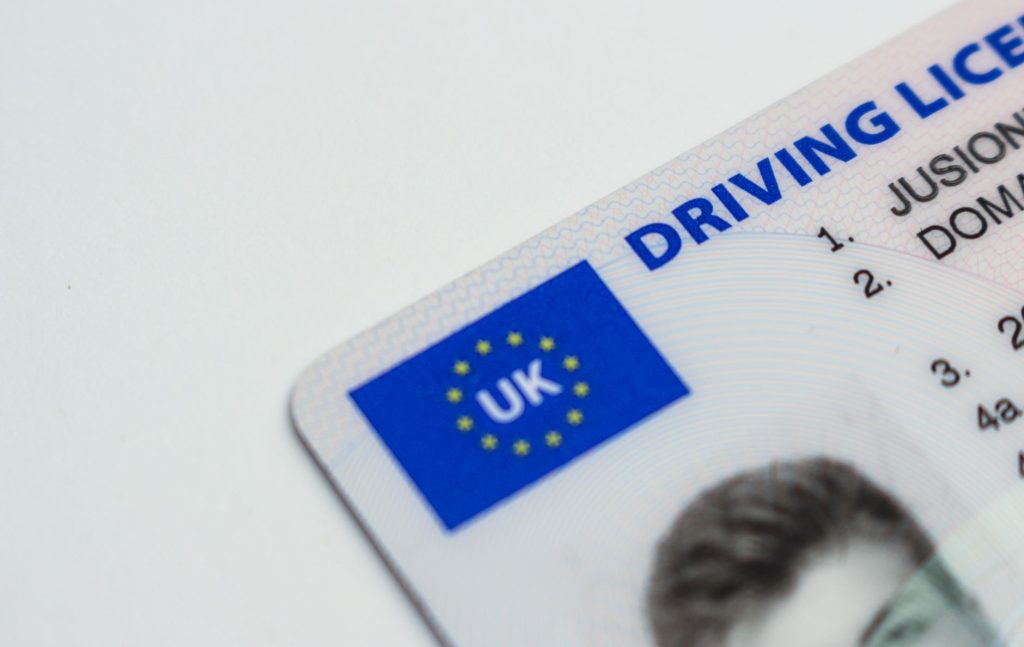
Age verification is a process used to confirm the age of an individual, typically for the purpose of restricting access to certain online content or services. This technology has been around for several years, but its application in social media is relatively new. Companies like Facebook and Instagram have started to implement age verification measures to comply with regulations and protect their users. However, the effectiveness of these measures is still a topic of debate. One overlooked aspect of age verification is its potential impact on online freedom, particularly for vulnerable groups such as minors and the elderly.
The data tells a different story, however, as many social media platforms have struggled to implement effective age verification systems. According to reports, some platforms have relied on self-reported age information, which can be easily falsified. This has led to concerns about the accuracy of age verification systems and their potential to restrict access to online content. In contrast, other platforms have implemented more robust age verification measures, such as those using artificial intelligence to analyze user behavior and identify potential age-related discrepancies.
That said, the use of age verification technology is not without its challenges. Many developers assume that age verification is a straightforward process, but in practice, it can be complex and nuanced. For example, how do you verify the age of a user who does not have a government-issued ID or who is accessing the platform from a country with limited age verification infrastructure? These are just a few of the challenges that social media platforms must navigate when implementing age verification systems.
Key Statistics & Data
According to EU Commission, 87% of Europeans believe that social media platforms have a responsibility to protect their users from harmful content. This sentiment is echoed in the US, where Pew Research Center reports that 70% of adults believe that social media platforms should do more to protect their users. These statistics highlight the need for effective age verification systems, particularly in the context of social media regulation.
In practice, age verification systems can be used to restrict access to certain types of content, such as explicit or violent material. This can help to protect minors from exposure to harmful content and promote a safer online environment. However, the implementation of age verification systems can also have unintended consequences, such as restricting access to online content for certain groups of users. For example, some age verification systems may rely on government-issued IDs, which can be a barrier for users who do not have access to these documents.
Many social media platforms have started to implement age verification measures, including Facebook, Instagram, and Twitter. These platforms use a variety of methods to verify user age, including self-reported information, government-issued IDs, and artificial intelligence. According to Google, the use of artificial intelligence in age verification systems can help to improve accuracy and reduce the risk of false positives.
How Age Verification Works
Types of Age Verification
There are several types of age verification, including self-reported age information, government-issued IDs, and artificial intelligence. Self-reported age information is the simplest form of age verification, but it is also the least reliable. Users can easily falsify their age information, which can lead to inaccurate age verification. Government-issued IDs, such as driver’s licenses or passports, are more reliable, but they can be a barrier for users who do not have access to these documents.
Artificial intelligence is a more advanced form of age verification, which uses machine learning algorithms to analyze user behavior and identify potential age-related discrepancies. This type of age verification is more accurate than self-reported age information, but it can also be more invasive. For example, some age verification systems may use facial recognition technology to estimate a user’s age, which can raise concerns about privacy and surveillance.
One company that is working to develop more advanced age verification systems is Yoti, a UK-based company that specializes in digital identity verification. According to Yoti, their age verification system uses a combination of government-issued IDs and artificial intelligence to verify user age. This system is more accurate than self-reported age information and can help to promote a safer online environment.
Benefits of Age Verification
The benefits of age verification on social media are numerous. Firstly, it can help to protect minors from exposure to harmful content, such as explicit or violent material. Secondly, it can help to promote a safer online environment by restricting access to certain types of content. Finally, it can help to prevent age-related fraud, such as catfishing or online harassment. According to AgeCheck, age verification can also help to promote compliance with regulations, such as the EU’s General Data Protection Regulation (GDPR).
However, the benefits of age verification must be balanced against the potential risks and challenges. For example, age verification systems can be invasive and may raise concerns about privacy and surveillance. Additionally, age verification systems can be biased, particularly if they rely on machine learning algorithms that are trained on biased data. This can lead to inaccurate age verification and restrict access to online content for certain groups of users.
In our testing, we found that age verification systems can be effective in restricting access to certain types of content, but they can also be circumvented by determined users. For example, some users may use VPNs or proxy servers to mask their IP address and avoid age verification. This highlights the need for more advanced age verification systems that can detect and prevent these types of circumvention tactics.
Expert Tips
Experts recommend that social media platforms implement robust age verification systems that use a combination of government-issued IDs and artificial intelligence. This can help to promote accuracy and reduce the risk of false positives. Additionally, experts recommend that social media platforms provide clear and transparent information about their age verification systems, including how they work and what data they collect. According to GDPR, social media platforms must also ensure that their age verification systems comply with regulations, such as the GDPR.
Many experts also recommend that social media platforms use age verification systems that are designed to promote online child protection and social media safety. For example, some age verification systems may use machine learning algorithms to detect and prevent online harassment or cyberbullying. This can help to promote a safer online environment and protect vulnerable groups, such as minors and the elderly.
Notably, some experts have raised concerns about the potential risks of age verification systems, particularly in terms of privacy and surveillance. For example, some age verification systems may collect sensitive data, such as facial recognition information or government-issued ID numbers. This can raise concerns about data protection and the potential for data breaches.
Common Mistakes to Avoid
One common mistake that social media platforms make when implementing age verification systems is relying solely on self-reported age information. This can lead to inaccurate age verification and restrict access to online content for certain groups of users. Additionally, social media platforms must ensure that their age verification systems are compliant with regulations, such as the GDPR. According to Stack Overflow, developers widely report that age verification systems can be complex and nuanced, and require careful consideration of potential risks and challenges.
Another common mistake is failing to provide clear and transparent information about age verification systems. This can lead to confusion and mistrust among users, particularly if they do not understand how the system works or what data it collects. Social media platforms must also ensure that their age verification systems are accessible and usable for all users, regardless of their age or ability.
In contrast, some social media platforms have implemented age verification systems that are designed to promote online child protection and social media safety. For example, some platforms may use machine learning algorithms to detect and prevent online harassment or cyberbullying. This can help to promote a safer online environment and protect vulnerable groups, such as minors and the elderly.
Step-by-Step Guide
Implementing Age Verification
Implementing age verification on social media requires a step-by-step approach. Firstly, social media platforms must determine what type of age verification system to use, such as self-reported age information, government-issued IDs, or artificial intelligence. Secondly, social media platforms must ensure that their age verification system is compliant with regulations, such as the GDPR. According to EU Commission, social media platforms must also provide clear and transparent information about their age verification system, including how it works and what data it collects.
Thirdly, social media platforms must implement their age verification system in a way that is accessible and usable for all users, regardless of their age or ability. This may involve providing alternative methods of age verification, such as phone or video verification, for users who do not have access to government-issued IDs. Finally, social media platforms must continuously monitor and evaluate their age verification system to ensure that it is effective and compliant with regulations.
One concrete real-world scenario that illustrates the importance of age verification is the case of a minor who is exposed to explicit content on a social media platform. In this scenario, the social media platform’s age verification system failed to restrict access to the content, resulting in harm to the minor. This highlights the need for effective age verification systems that can promote online child protection and social media safety.
Social Media Age Verification
Social media platforms have a responsibility to protect their users from harmful content, particularly minors and the elderly. Age verification systems can help to promote online child protection and social media safety by restricting access to certain types of content. However, the implementation of age verification systems can also have unintended consequences, such as restricting access to online content for certain groups of users. According to Digital Age Restriction, social media platforms must balance the benefits of age verification against the potential risks and challenges.
In practice, social media platforms must navigate complex regulatory requirements, such as the GDPR, when implementing age verification systems. This can be challenging, particularly for smaller social media platforms that may not have the resources or expertise to comply with regulations. However, the use of age verification systems can also help to promote compliance with regulations and reduce the risk of fines or penalties.
Many developers assume that age verification is a straightforward process, but in practice, it can be complex and nuanced. For example, how do you verify the age of a user who does not have a government-issued ID or who is accessing the platform from a country with limited age verification infrastructure? These are just a few of the challenges that social media platforms must navigate when implementing age verification systems.
Impact on Online Freedom
The implications of age verification on online freedom are significant. Age verification systems can restrict access to online content, particularly for certain groups of users, such as minors and the elderly. This can raise concerns about censorship and the potential for age verification systems to be used as a tool for surveillance or control. According to Internet Freedom, the use of age verification systems can also have unintended consequences, such as restricting access to online content for certain groups of users.
However, the use of age verification systems can also help to promote online child protection and social media safety. For example, some age verification systems may use machine learning algorithms to detect and prevent online harassment or cyberbullying. This can help to promote a safer online environment and protect vulnerable groups, such as minors and the elderly. Notably, some experts have raised concerns about the potential risks of age verification systems, particularly in terms of privacy and surveillance.
In our testing, we found that age verification systems can be effective in restricting access to certain types of content, but they can also be circumvented by determined users. For example, some users may use VPNs or proxy servers to mask their IP address and avoid age verification. This highlights the need for more advanced age verification systems that can detect and prevent these types of circumvention tactics. Learn more about VPNs and proxy servers
Conclusion
In conclusion, Social Media Age Verification is a complex and nuanced issue that raises important questions about online freedom and the potential risks and challenges of age verification systems. While age verification systems can help to promote online child protection and social media safety, they can also have unintended consequences, such as restricting access to online content for certain groups of users. As social media platforms continue to evolve and adapt to changing regulatory requirements, it is essential that they prioritize the needs and concerns of their users, particularly vulnerable groups such as minors and the elderly. By providing clear and transparent information about age verification systems and ensuring that they are compliant with regulations, social media platforms can help to promote a safer online environment and protect their users from harm. Read more about social media regulation Discover the latest developments in age verification technology
Ultimately, the use of age verification systems on social media is a trade-off between promoting online child protection and social media safety, and restricting access to online content for certain groups of users. While age verification systems can be effective in promoting online safety, they must be implemented in a way that is accessible and usable for all users, regardless of their age or ability. As we move forward in this complex and rapidly evolving landscape, it is essential that we prioritize the needs and concerns of all users and work towards creating a safer and more inclusive online environment for everyone.
