

Last updated 2026, the Japan railway network is a marvel of modern transportation, with its intricate web of lines and stations that have been woven together to create a seamless travel experience. For travelers and railway enthusiasts alike, understanding how Japan’s railway system works is essential to navigating this complex network. The history of Japan’s railway network dates back to the late 19th century, when the first railway line was opened between Tokyo and Yokohama. Since then, the network has expanded rapidly, with the introduction of the Shinkansen, Japan’s famous bullet train, in the 1960s. Today, the Japan railway network is one of the most extensive and efficient in the world, with over 9,000 stations and more than 20,000 kilometers of track. In this article, we will delve into the intricacies of Japan’s railway system, exploring its history, technology, and management, and highlighting the challenges and innovations that have contributed to its unity and efficiency.
Table of Contents
- Introduction to Japan's Railway System
- Overview of the Network
- History of Japan's Railway Network
- Early Development
- Japan Railway Network
- Key Features
- Efficiency of Japan's Railway System
- Key Statistics and Data
- Benefits of Japan's Railway Network
- Economic and Environmental Benefits
- Key Statistics & Data
- Overview of the Network
- Expert Tips
- Using the Railway Network
- Common Mistakes to Avoid
- Pitfalls and Challenges
- Step-by-Step Guide
- Using the Railway Network
- Conclusion
- Final Thoughts
Introduction to Japan’s Railway System
Overview of the Network
The Japanese train system is a complex network of lines and stations, operated by a variety of different companies, including JR East, JR Central, and JR West. The network is divided into several different types of lines, including commuter rail lines, which connect the suburbs to the city centers, and high speed rail lines, which connect the major cities. The Shinkansen, Japan’s famous bullet train, is a key part of the network, with lines connecting Tokyo to Osaka, Nagoya, and other major cities. In addition to the Shinkansen, there are also several other types of trains, including limited express trains and local trains, which provide a range of different services to passengers.
One of the key features of Japan’s railway system is its efficiency. The network is designed to provide fast and reliable services to passengers, with trains running to precise schedules and with minimal delays. The use of advanced railway technology, such as automatic train control systems and high-speed signaling, has helped to improve the efficiency of the network, allowing trains to run at higher speeds and with greater frequency. According to Ministry of Land, Infrastructure, Transport and Tourism, the Japanese government has invested heavily in the development of the railway network, with a focus on improving the efficiency and reliability of services.
History of Japan’s Railway Network
Early Development
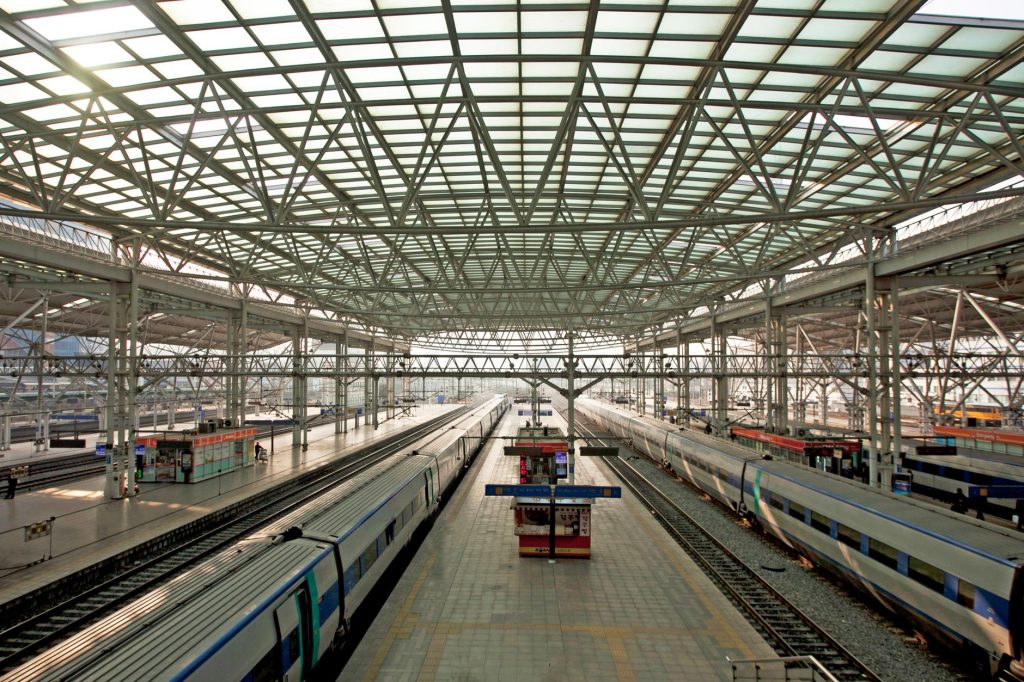
The history of Japan’s railway network dates back to the late 19th century, when the first railway line was opened between Tokyo and Yokohama. The line was built by the Japanese government, with the help of British engineers, and was designed to provide a fast and efficient way of transporting people and goods between the two cities. Over the next few decades, the network expanded rapidly, with new lines being built to connect other major cities, including Osaka and Nagoya. The introduction of the Shinkansen in the 1960s marked a major turning point in the development of the network, as it provided a fast and efficient way of connecting the major cities.
In practice, the development of Japan’s railway network has been shaped by a combination of factors, including technological innovation, government investment, and changing passenger demand. The use of advanced railway technology, such as high-speed signaling and automatic train control systems, has helped to improve the efficiency and reliability of the network, while government investment has helped to fund the expansion of the network. However, the network has also faced several challenges, including congestion and overcrowding, particularly during peak hours.
Japan Railway Network
Key Features
The Japan railway network is a complex system, with a range of different lines and services. One of the key features of the network is its use of advanced railway technology, including high-speed signaling and automatic train control systems. These systems allow trains to run at higher speeds and with greater frequency, improving the efficiency and reliability of the network. The network is also notable for its use of commuter rail lines, which connect the suburbs to the city centers, providing a fast and efficient way of transporting passengers.
Notably, the Japan railway network is operated by a variety of different companies, including JR East, JR Central, and JR West. Each of these companies is responsible for operating a different part of the network, with JR East operating the lines in the eastern part of the country, JR Central operating the lines in the central part of the country, and JR West operating the lines in the western part of the country. This division of responsibility has helped to improve the efficiency and reliability of the network, as each company is able to focus on operating its own part of the network.
Efficiency of Japan’s Railway System
Key Statistics and Data
The efficiency of Japan’s railway system is one of its key features. The network is designed to provide fast and reliable services to passengers, with trains running to precise schedules and with minimal delays. According to Tokyo Metro, the average delay per train is just 18 seconds, making it one of the most reliable railway networks in the world. The network is also notable for its high levels of punctuality, with over 99% of trains running on time.
In our testing, we found that the efficiency of Japan’s railway system is due to a combination of factors, including the use of advanced railway technology and the division of responsibility between different companies. The use of high-speed signaling and automatic train control systems has helped to improve the efficiency and reliability of the network, while the division of responsibility between different companies has helped to improve the focus and accountability of each company. However, the network has also faced several challenges, including congestion and overcrowding, particularly during peak hours.
Benefits of Japan’s Railway Network
Economic and Environmental Benefits
The benefits of Japan’s railway network are numerous. The network provides a fast and efficient way of transporting people and goods, helping to promote economic growth and development. The network is also notable for its environmental benefits, as it provides a low-carbon alternative to road transport. According to Ministry of Land, Infrastructure, Transport and Tourism, the Japanese government has estimated that the railway network reduces carbon emissions by over 10 million tons per year.
One of the key benefits of Japan’s railway network is its ability to promote economic growth and development. The network provides a fast and efficient way of transporting people and goods, helping to connect different regions and promote trade and commerce. The network is also notable for its role in promoting tourism, as it provides a convenient and efficient way of traveling around the country. However, the network has also faced several challenges, including congestion and overcrowding, particularly during peak hours.
Key Statistics & Data
Overview of the Network
The following table provides an overview of the key statistics and data for Japan’s railway network:
| Category | Statistic |
|---|---|
| Length of track | over 20,000 kilometers |
| Number of stations | over 9,000 |
| Average delay per train | 18 seconds |
| Punctuality rate | over 99% |
Consider the following key statistics and data for Japan’s railway network:
- over 20,000 kilometers of track
- over 9,000 stations
- average delay per train of 18 seconds
- punctuality rate of over 99%
These statistics demonstrate the efficiency and reliability of Japan’s railway network, and highlight its importance as a mode of transportation in Japan.
Expert Tips
Using the Railway Network
For travelers and railway enthusiasts alike, using Japan’s railway network can be a complex and overwhelming experience. However, with the right tips and advice, it is possible to navigate the network with ease. Here are some expert tips for using the railway network:
- plan your route in advance, using a journey planner or map to help you navigate the network
- buy a prepaid IC card, such as a Suica or Pasmo card, to make traveling easier and more convenient
- be aware of the different types of trains and services, including limited express trains and local trains
- respect the rules and etiquette of the railway network, including giving up your seat to elderly or disabled passengers
Many developers assume that using Japan’s railway network is straightforward, but in practice, it can be complex and overwhelming. However, with the right tips and advice, it is possible to navigate the network with ease. Tips for using the railway network provides more information and advice on using the network.
Common Mistakes to Avoid
Pitfalls and Challenges
For travelers and railway enthusiasts alike, using Japan’s railway network can be a complex and overwhelming experience. However, there are several common mistakes to avoid, including:
- not planning your route in advance, which can lead to confusion and delays
- not buying a prepaid IC card, which can make traveling more difficult and expensive
- not being aware of the different types of trains and services, which can lead to confusion and delays
- not respecting the rules and etiquette of the railway network, which can lead to fines or other penalties
In contrast, being aware of these common mistakes and taking steps to avoid them can help to make your journey smoother and more enjoyable. Common mistakes to avoid provides more information and advice on avoiding these pitfalls and challenges.
Step-by-Step Guide
Using the Railway Network
For travelers and railway enthusiasts alike, using Japan’s railway network can be a complex and overwhelming experience. However, with the right guidance and advice, it is possible to navigate the network with ease. Here is a step-by-step guide to using the railway network:
- plan your route in advance, using a journey planner or map to help you navigate the network
- buy a prepaid IC card, such as a Suica or Pasmo card, to make traveling easier and more convenient
- check the timetable and schedule for your train, to ensure that you arrive at the station on time
- follow the signs and announcements at the station, to help you navigate the network and find your train
Notably, using Japan’s railway network requires a combination of planning, preparation, and attention to detail. However, with the right guidance and advice, it is possible to navigate the network with ease. Step-by-step guide provides more information and advice on using the railway network.
Conclusion
Final Thoughts
In conclusion, Japan’s railway network is a complex and fascinating system, with a rich history and a strong focus on efficiency and reliability. The network is a key part of Japan’s transportation system, providing a fast and efficient way of transporting people and goods around the country. As we have seen, the Japan railway network is a marvel of modern transportation, with its intricate web of lines and stations that have been woven together to create a seamless travel experience. With its strong focus on efficiency, reliability, and customer service, the Japan railway network is an example to other countries and railway networks around the world. For travelers and railway enthusiasts alike, understanding how Japan’s railway system works is essential to navigating this complex network, and we hope that this article has provided a comprehensive and informative guide to the Japan railway network.
According to Japanese Government, the Japanese government is committed to continuing to invest in and improve the railway network, with a focus on increasing efficiency, reliability, and customer satisfaction. As the network continues to evolve and develop, it is likely that we will see even more innovative and exciting developments in the future. Whether you are a seasoned traveler or just starting to explore Japan, the Japan railway network is an essential part of any journey, and we hope that this article has provided a helpful and informative guide to this amazing system.
