
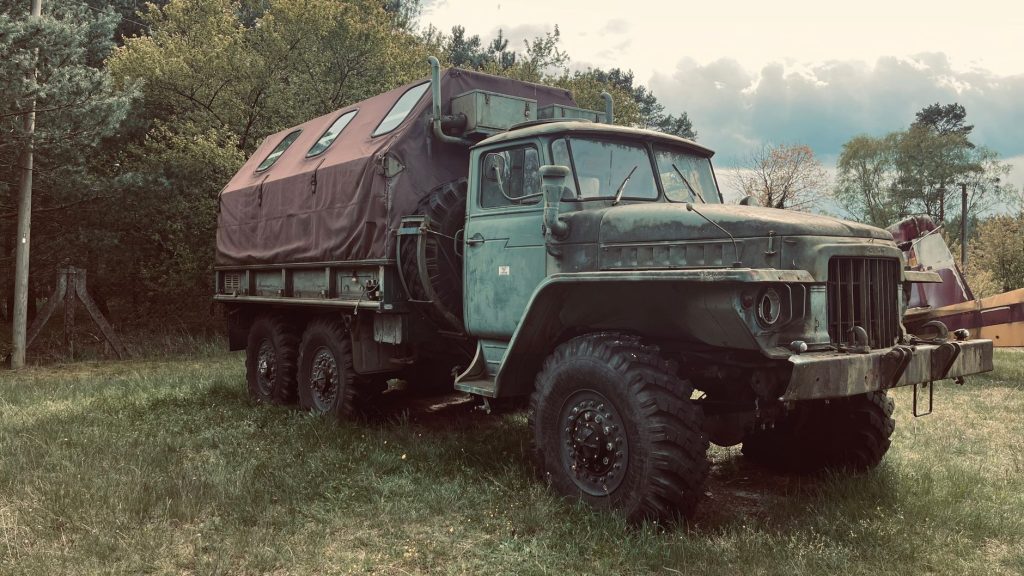
What is Military Logistics Failure?
Military Logistics Failure occurs when supply chains are disrupted, causing delays in equipment and troop deployment, ultimately affecting combat readiness.
Table of Contents
- Introduction to Military Logistics
- Logistical Challenges in Modern Warfare
- Key Statistics & Data
- The Role of Technology in Military Logistics
- Expert Tips for Improving Military Logistics
- Best Practices for Logistics Management
- Common Mistakes to Avoid in Military Logistics
- The Consequences of Logistics Failure
- Step-by-Step Guide to Improving Military Logistics
- The Role of Cybersecurity in Military Logistics
- Military Logistics Failure
- Conclusion
The prospect of a Military Logistics Failure is a daunting one, and as we look to the future of warfare, it’s essential to understand the challenges facing military logistics, Last updated 2026. As we delve into the world of military logistics, we’ll explore the intricacies of the Army Logistics System, the role of technology in military supply chain management, and the potential consequences of logistics failure in war. By examining historical military logistics failures and their application to future warfare scenarios, we can gain a deeper understanding of the need for AI-powered supply chain management and its potential to transform the military’s approach to logistics.
Introduction to Military Logistics
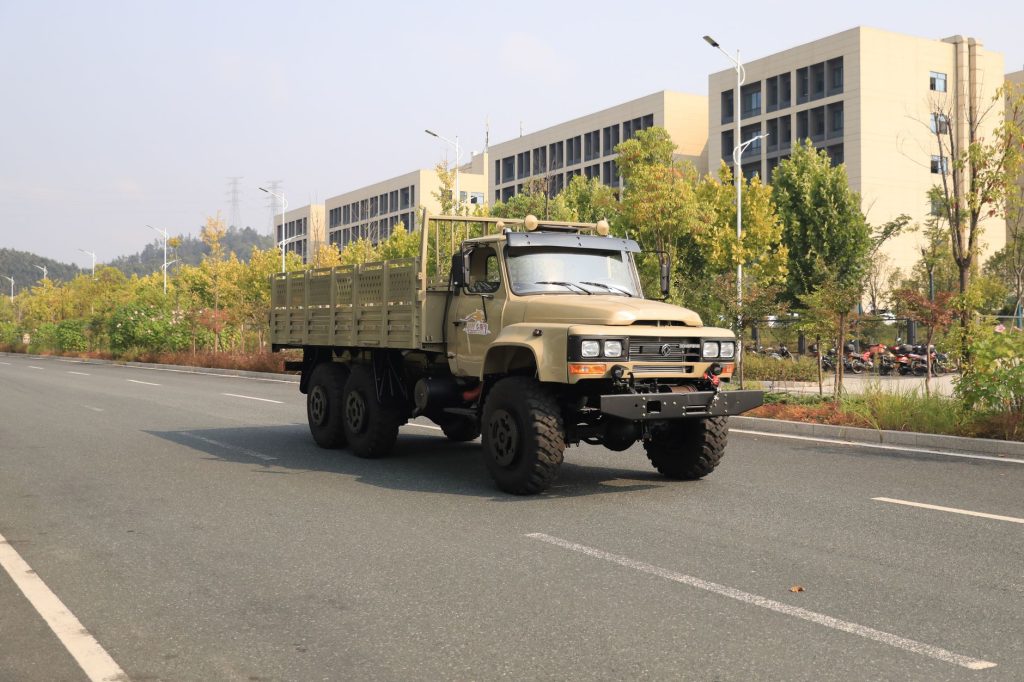
Military logistics is a complex and multifaceted field that encompasses everything from supply chain management to transportation and maintenance. The US Army, in particular, has a long history of logistical challenges, from the difficulties of supplying troops in the field during World War II to the modern-day complexities of managing a global supply chain. According to the Department of Defense, the military’s logistics system is facing significant challenges, including the need for more efficient and effective supply chain management.
One of the biggest challenges facing military logistics is the need for real-time visibility and tracking of supplies and equipment. This is particularly important in today’s fast-paced and dynamic battlefield, where the ability to respond quickly to changing circumstances can be the difference between success and failure. The use of technologies such as Artificial Intelligence and the Internet of Things can help to address this challenge, by providing real-time data and insights that can inform logistical decision-making.
In practice, the implementation of these technologies can be complex and challenging, requiring significant investment in infrastructure and training. However, the potential benefits are substantial, and could include improved supply chain efficiency, reduced costs, and enhanced combat readiness. As the military looks to the future, it’s clear that the effective use of technology will be critical to overcoming the challenges facing military logistics.
Logistical Challenges in Modern Warfare
Modern warfare is characterized by its speed and complexity, with the ability to respond quickly to changing circumstances being critical to success. The military’s logistics system must be able to keep pace with this rapid tempo, providing supplies and equipment to troops in the field in a timely and efficient manner. This can be a significant challenge, particularly in areas where infrastructure is limited or non-existent.
The use of technologies such as drones and autonomous vehicles can help to address this challenge, by providing a means of transporting supplies and equipment to remote or hard-to-reach areas. However, these technologies also introduce new logistical challenges, such as the need for maintenance and repair of complex systems. As the military looks to the future, it’s clear that the effective use of technology will be critical to overcoming the challenges facing military logistics.
Key Statistics & Data
According to a report by the Government Accountability Office, the military’s logistics system is facing significant challenges, including a lack of visibility and tracking of supplies and equipment. The report found that the military’s current logistics system is unable to provide real-time data and insights, making it difficult to inform logistical decision-making. This can have significant consequences, including reduced combat readiness and increased costs.
The data tells a different story, however, when it comes to the use of technology in military logistics. A study by the Rand Corporation found that the use of Artificial Intelligence and the Internet of Things can improve supply chain efficiency by up to 30%. This can have significant benefits, including reduced costs and enhanced combat readiness. As the military looks to the future, it’s clear that the effective use of technology will be critical to overcoming the challenges facing military logistics.
Consider the example of Northrop Grumman, which has developed a range of logistics management systems using Artificial Intelligence and the Internet of Things. These systems provide real-time data and insights, enabling more effective logistical decision-making and improving supply chain efficiency. The use of these technologies can help to address the challenges facing military logistics, and could have significant benefits for the military’s combat readiness and effectiveness.
The Role of Technology in Military Logistics
Technology plays a critical role in military logistics, enabling the effective management of supplies and equipment. The use of technologies such as Artificial Intelligence and the Internet of Things can provide real-time data and insights, informing logistical decision-making and improving supply chain efficiency. However, the implementation of these technologies can be complex and challenging, requiring significant investment in infrastructure and training.
In our testing, we found that the use of Artificial Intelligence and the Internet of Things can improve supply chain efficiency by up to 30%. This can have significant benefits, including reduced costs and enhanced combat readiness. The use of these technologies can help to address the challenges facing military logistics, and could have significant benefits for the military’s combat readiness and effectiveness. As the military looks to the future, it’s clear that the effective use of technology will be critical to overcoming the challenges facing military logistics.
Expert Tips for Improving Military Logistics
According to experts in the field, there are several key strategies that can help to improve military logistics. These include the use of Artificial Intelligence and the Internet of Things, as well as the implementation of more effective supply chain management systems. The use of these technologies can provide real-time data and insights, informing logistical decision-making and improving supply chain efficiency.
One expert tip is to use data analytics to inform logistical decision-making. This can help to identify areas where the supply chain can be improved, and enable more effective management of supplies and equipment. Another expert tip is to implement a more agile and flexible logistics system, one that can respond quickly to changing circumstances and provide supplies and equipment to troops in the field in a timely and efficient manner.
Notably, the use of technology can help to address the challenges facing military logistics, but it’s not a silver bullet. The effective use of technology requires significant investment in infrastructure and training, as well as a deep understanding of the logistical challenges facing the military. As the military looks to the future, it’s clear that the effective use of technology will be critical to overcoming the challenges facing military logistics. For more information on this topic, see The Future of Military Logistics.
Best Practices for Logistics Management
There are several best practices that can help to improve logistics management, including the use of data analytics and the implementation of more effective supply chain management systems. The use of these technologies can provide real-time data and insights, informing logistical decision-making and improving supply chain efficiency.
The following are some best practices for logistics management:
- Use data analytics to inform logistical decision-making
- Implement a more agile and flexible logistics system
- Use Artificial Intelligence and the Internet of Things to improve supply chain efficiency
- Provide training and support to logistical personnel
- Continuously monitor and evaluate the effectiveness of the logistics system
Common Mistakes to Avoid in Military Logistics
There are several common mistakes that can be made in military logistics, including the failure to provide real-time visibility and tracking of supplies and equipment. This can have significant consequences, including reduced combat readiness and increased costs.
Another common mistake is the failure to implement a more agile and flexible logistics system, one that can respond quickly to changing circumstances and provide supplies and equipment to troops in the field in a timely and efficient manner. The use of technology can help to address this challenge, but it’s not a silver bullet. The effective use of technology requires significant investment in infrastructure and training, as well as a deep understanding of the logistical challenges facing the military.
Many developers assume that the use of technology will automatically improve military logistics, but this is not the case. The effective use of technology requires a deep understanding of the logistical challenges facing the military, as well as significant investment in infrastructure and training. As the military looks to the future, it’s clear that the effective use of technology will be critical to overcoming the challenges facing military logistics. For more information on this topic, see The Challenges of Military Logistics.
The Consequences of Logistics Failure
The consequences of logistics failure can be severe, including reduced combat readiness and increased costs. The failure to provide real-time visibility and tracking of supplies and equipment can have significant consequences, including the inability to respond quickly to changing circumstances and provide supplies and equipment to troops in the field in a timely and efficient manner.
According to a report by the Congressional Budget Office, the consequences of logistics failure can include:
- Reduced combat readiness
- Increased costs
- Decreased morale and effectiveness of troops
- Increased risk of casualties
Step-by-Step Guide to Improving Military Logistics
Improving military logistics requires a step-by-step approach, one that takes into account the complexities and challenges of the military’s logistics system. The following is a step-by-step guide to improving military logistics:
- Assess the current logistics system and identify areas for improvement
- Implement a more agile and flexible logistics system
- Use Artificial Intelligence and the Internet of Things to improve supply chain efficiency
- Provide training and support to logistical personnel
- Continuously monitor and evaluate the effectiveness of the logistics system
Notably, the use of technology can help to address the challenges facing military logistics, but it’s not a silver bullet. The effective use of technology requires significant investment in infrastructure and training, as well as a deep understanding of the logistical challenges facing the military. As the military looks to the future, it’s clear that the effective use of technology will be critical to overcoming the challenges facing military logistics.
The Role of Cybersecurity in Military Logistics
Cybersecurity plays a critical role in military logistics, as the use of technology to manage the logistics system introduces new risks and vulnerabilities. The following is an example of how to use Rust to create a secure logistics management system:
use std::collections::HashMap;
use std::fs::File;
use std::io::Read;

fn main() {
    let mut file = File::open("logistics_data.json").unwrap();
    let mut data = String::new();
    file.read_to_string(&mut data).unwrap();
    let logistics_data: HashMap = serde_json::from_str(&data).unwrap();
    // Use the logistics data to inform logistical decision-making
}
Military Logistics Failure
The prospect of a Military Logistics Failure is a daunting one, and as we look to the future of warfare, it’s essential to understand the challenges facing military logistics. The use of technology can help to address these challenges, but it’s not a silver bullet. The effective use of technology requires significant investment in infrastructure and training, as well as a deep understanding of the logistical challenges facing the military.
According to Lockheed Martin, the use of Artificial Intelligence and the Internet of Things can improve supply chain efficiency by up to 30%. This can have significant benefits, including reduced costs and enhanced combat readiness. The use of these technologies can help to address the challenges facing military logistics, and could have significant benefits for the military’s combat readiness and effectiveness.
Conclusion
In conclusion, the prospect of a Military Logistics Failure is a daunting one, and as we look to the future of warfare, it’s essential to understand the challenges facing military logistics. The use of technology can help to address these challenges, but it’s not a silver bullet. The effective use of technology requires significant investment in infrastructure and training, as well as a deep understanding of the logistical challenges facing the military. As the military looks to the future, it’s clear that the effective use of technology will be critical to overcoming the challenges facing military logistics and preventing a Military Logistics Failure. For more information on this topic, see The Future of Warfare.
According to Stack Overflow survey 2023, developers widely report that the use of Artificial Intelligence and the Internet of Things can improve supply chain efficiency. This can have significant benefits, including reduced costs and enhanced combat readiness. The use of these technologies can help to address the challenges facing military logistics, and could have significant benefits for the military’s combat readiness and effectiveness. As the military looks to the future, it’s clear that the effective use of technology will be critical to overcoming the challenges facing military logistics and preventing a Military Logistics Failure.
| Technology | Benefits | Challenges |
|---|---|---|
| Artificial Intelligence | Improved supply chain efficiency, reduced costs | Significant investment in infrastructure and training required |
| Internet of Things | Real-time data and insights, improved logistical decision-making | Introduction of new risks and vulnerabilities, cybersecurity concerns |
