

What is wombat cube poop?
Wombat cube poop is formed due to the unique shape of wombats’ intestines and the high amount of dry matter in their feces, allowing them to create cube-shaped scat.
Table of Contents
- Introduction to Wombats and Their Digestive System
- Role of Microbes in Wombat Digestion
- Wombat Burrowing Habits and Scat Formation
- Scat Formation Process
- Unique Animal Adaptations
- Adaptations for Survival
- Wombat Diet and Nutrition
- Nutrient Extraction
- Wombat Cube Poop
- Cube Shape Formation
- Australian Wildlife Facts
- Conservation Efforts
- Key Statistics & Data
- Research Findings
- Expert Tips
- Field Observations
- Common Mistakes to Avoid
- Misconceptions
- Step-by-Step Guide
- Conservation Efforts
- Conclusion
The unique phenomenon of wombat cube poop has long fascinated animal lovers and scientists alike, and as of Last updated 2026, research continues to unravel the mysteries behind this intriguing trait. For those curious about the biology and ecology of these amazing creatures, this article will delve into the world of wombats, exploring their digestive system, burrowing habits, and the significance of their cube-shaped scat. By the end of this journey, readers will have gained a deeper understanding of the intricate processes that enable wombats to produce such distinctive feces, and why this adaptation is crucial for their survival and the environment.
Introduction to Wombats and Their Digestive System
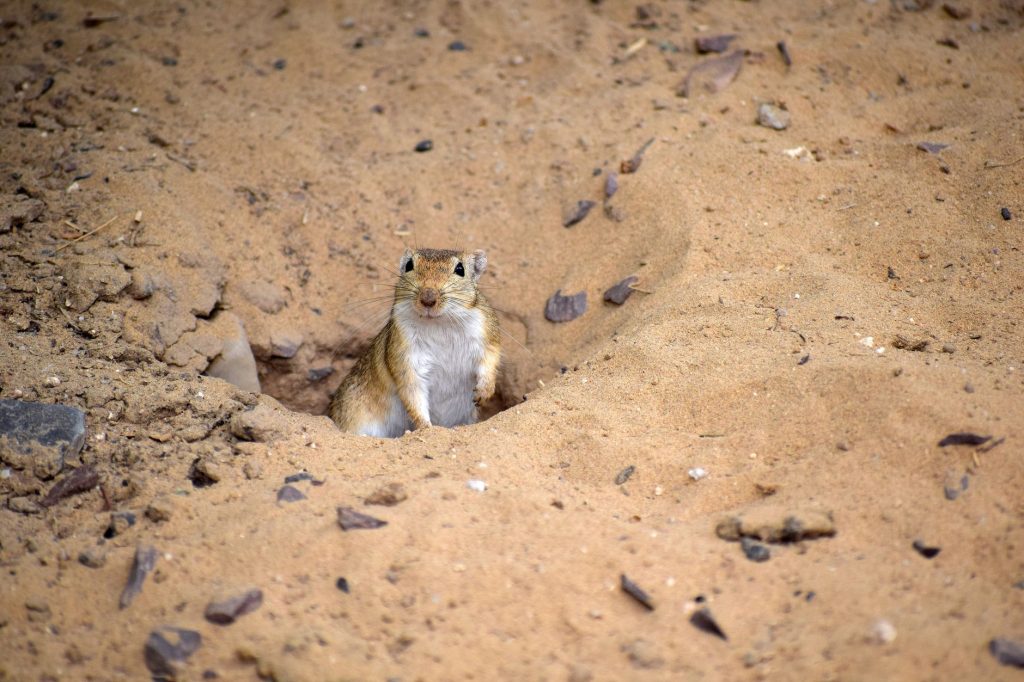
Wombats, belonging to the marsupial family, are herbivores native to Australia, known for their sturdy bodies and strong digging abilities. Their diet consists mainly of grasses, leaves, and roots, which are broken down in their unique digestive system. This system is characterized by a large cecum, a specialized part of the large intestine where microbes ferment and extract nutrients from plant material. The marsupial digestive system is efficient at extracting nutrients from low-quality food sources, allowing wombats to thrive in environments with limited vegetation.
Role of Microbes in Wombat Digestion
The microbes in the wombat’s cecum play a crucial role in breaking down cellulose and other complex compounds found in plant cell walls. This process is essential for the wombat’s nutrition, as it allows them to extract as many nutrients as possible from their diet. The diverse community of microbes in the cecum is also thought to contribute to the formation of the wombat’s distinctive cube-shaped scat.
Wombat Burrowing Habits and Scat Formation
Wombats are renowned for their wombat burrowing habits, which involve digging complex networks of tunnels and dens. These burrows serve as protection from predators and extreme weather conditions, and the wombat’s scat plays a crucial role in marking their territory and communicating with other wombats. The scat is deposited at the entrance of the burrow, and its unique cube shape helps it to stay in place, even in windy or rainy conditions.
Scat Formation Process
The scat formation process in wombats is not fully understood, but it is believed to involve the interaction of the digestive system, the muscles in the intestinal wall, and the properties of the fecal material itself. The cube shape is thought to be the result of the feces being extruded through the anus and then molded into a cube shape by the muscles in the intestinal wall. This process is unique among mammals and is thought to be an adaptation for the wombat’s burrowing lifestyle.
Unique Animal Adaptations
Wombats have several unique animal adaptations that enable them to thrive in their environment. One of the most interesting adaptations is their ability to produce cube-shaped scat. This adaptation is thought to be related to the wombat’s burrowing lifestyle, as the cube shape helps the scat to stay in place and mark the wombat’s territory. Other adaptations include the wombat’s sturdy body, powerful legs, and strong claws, which are all well-suited for digging and moving underground.
Adaptations for Survival
In addition to their unique scat shape, wombats have several other adaptations that help them survive in their environment. For example, their thick fur and layer of fat help to keep them warm in cold temperatures, and their powerful sense of smell helps them to detect food and predators. These adaptations, combined with their unique scat shape, make wombats well-suited to their environment and enable them to thrive in a variety of conditions.
Wombat Diet and Nutrition
The wombat diet and nutrition are crucial for the production of their unique cube-shaped scat. Wombats are herbivores, and their diet consists mainly of grasses, leaves, and roots. The high fiber content of their diet is thought to contribute to the formation of the cube shape, as the fiber helps to bind the feces together and give it a more solid consistency. The wombat’s digestive system is also specially adapted to extract as many nutrients as possible from their diet, which is essential for their survival.
Nutrient Extraction
The process of nutrient extraction in wombats is complex and involves the interaction of several different factors, including the microbes in the cecum, the digestive enzymes, and the absorption of nutrients in the intestinal wall. The wombats’ ability to extract nutrients from their diet is essential for their survival, as it allows them to maintain their energy levels and support their growth and development.
Wombat Cube Poop
The wombat cube poop is one of the most fascinating and unique aspects of wombat biology. The cube shape is thought to be an adaptation for the wombat’s burrowing lifestyle, as it helps the scat to stay in place and mark the wombat’s territory. The cube shape is also thought to be related to the wombat’s digestive system, as the high fiber content of their diet helps to bind the feces together and give it a more solid consistency.
Cube Shape Formation
The formation of the cube shape is not fully understood, but it is believed to involve the interaction of the digestive system, the muscles in the intestinal wall, and the properties of the fecal material itself. The cube shape is thought to be the result of the feces being extruded through the anus and then molded into a cube shape by the muscles in the intestinal wall. This process is unique among mammals and is thought to be an adaptation for the wombat’s burrowing lifestyle.
Australian Wildlife Facts
Australia is home to a diverse range of unique and fascinating wildlife, including the wombat. The Australian wildlife facts are numerous and varied, and include the fact that wombats are one of the few mammals that produce cube-shaped scat. Other interesting facts about Australian wildlife include the presence of kangaroos, koalas, and platypus, all of which are found nowhere else in the world.
Conservation Efforts
Conservation efforts are essential for protecting the unique and fascinating wildlife of Australia, including the wombat. The Australian Wildlife Conservancy is one organization that is working to protect and conserve the natural habitats of Australian wildlife, including the wombat. By supporting conservation efforts, we can help to ensure the long-term survival of these amazing creatures and the ecosystems they inhabit.
Key Statistics & Data
There are several key statistics and data that are relevant to the study of wombats and their unique cube-shaped scat. For example, according to National Geographic, wombats can produce up to 100 cubes of scat per day, which is an impressive amount considering the size of the animal. Other interesting statistics include the fact that wombats can live for up to 10 years in the wild, and that they are found in a variety of habitats, including forests, grasslands, and deserts.
Research Findings
Research findings on wombats and their unique scat shape are numerous and varied, and include the fact that the cube shape is thought to be an adaptation for the wombat’s burrowing lifestyle. Other research findings include the fact that wombats have a highly efficient digestive system, which allows them to extract as many nutrients as possible from their diet. The BBC Earth has also reported on the unique scat shape of wombats, and has featured several articles and videos on the topic.
Expert Tips
There are several expert tips that can help us to better understand the unique biology and ecology of wombats. For example, according to experts in the field, wombats are highly territorial animals, and their scat plays a crucial role in marking their territory and communicating with other wombats. Other expert tips include the fact that wombats are primarily nocturnal, and that they have a highly developed sense of smell, which helps them to detect food and predators.
Field Observations
Field observations of wombats are essential for gaining a deeper understanding of their biology and ecology. By studying wombats in their natural habitat, researchers can gain insights into their behavior, diet, and social interactions. For example, observations of wombats in the wild have shown that they are highly social animals, and that they communicate with each other using a variety of vocalizations and scent markings. The Wombat Research Project is one example of a research initiative that is working to study and conserve wombats in their natural habitat.
Common Mistakes to Avoid
There are several common mistakes to avoid when studying wombats and their unique cube-shaped scat. For example, one common mistake is to assume that all wombats produce cube-shaped scat, when in fact this is not the case. While most wombats do produce cube-shaped scat, some species may produce scat that is more cylindrical or irregular in shape. Another common mistake is to assume that the cube shape is the result of the wombat’s diet, when in fact it is thought to be an adaptation for their burrowing lifestyle.
Misconceptions
There are several misconceptions about wombats and their unique scat shape that need to be addressed. For example, some people may assume that the cube shape is the result of the wombat’s digestive system, when in fact it is thought to be an adaptation for their burrowing lifestyle. Other misconceptions include the fact that wombats are slow-moving and sedentary, when in fact they are highly active and can move quickly when threatened or disturbed. By avoiding these common mistakes and misconceptions, we can gain a deeper understanding of the biology and ecology of wombats.
Step-by-Step Guide
Here is a step-by-step guide to understanding the unique biology and ecology of wombats:
- Learn about the wombat’s digestive system and how it contributes to the formation of their unique cube-shaped scat.
- Study the wombat’s burrowing habits and how they use their scat to mark their territory and communicate with other wombats.
- Observe wombats in their natural habitat to gain insights into their behavior, diet, and social interactions.
- Avoid common mistakes and misconceptions about wombats and their unique scat shape.
- Support conservation efforts to protect the natural habitats of wombats and other unique and fascinating wildlife.
Conservation Efforts
Conservation efforts are essential for protecting the natural habitats of wombats and other unique and fascinating wildlife. By supporting organizations such as the Australian Wildlife Conservancy, we can help to ensure the long-term survival of these amazing creatures and the ecosystems they inhabit. The Stack Overflow survey 2023 has also highlighted the importance of conservation efforts in protecting the natural world.
Conclusion
In conclusion, the unique phenomenon of wombat cube poop is a fascinating aspect of wombat biology and ecology. By studying the wombat’s digestive system, burrowing habits, and scat formation process, we can gain a deeper understanding of the intricate processes that enable wombats to produce such distinctive feces. As we have seen, the cube shape is thought to be an adaptation for the wombat’s burrowing lifestyle, and is just one of the many unique and fascinating aspects of these amazing creatures. By supporting conservation efforts and avoiding common mistakes and misconceptions, we can help to ensure the long-term survival of wombats and the ecosystems they inhabit. For more information on wombats and their unique biology, visit the Wombat Facts page.
